Portugal Has Already Met 21 of Its 37 Health Goals for 2030, but Congenital Syphilis Is Rising and Lung Cancer Deaths Among Women Keep Creeping Up
The DGS's first interim review of the National Health Plan finds premature deaths and cancer mortality already below their 2030 targets. Tuberculosis is falling more slowly, HIV is still above target, and only 87 percent of mainland homes are on the sewer network.
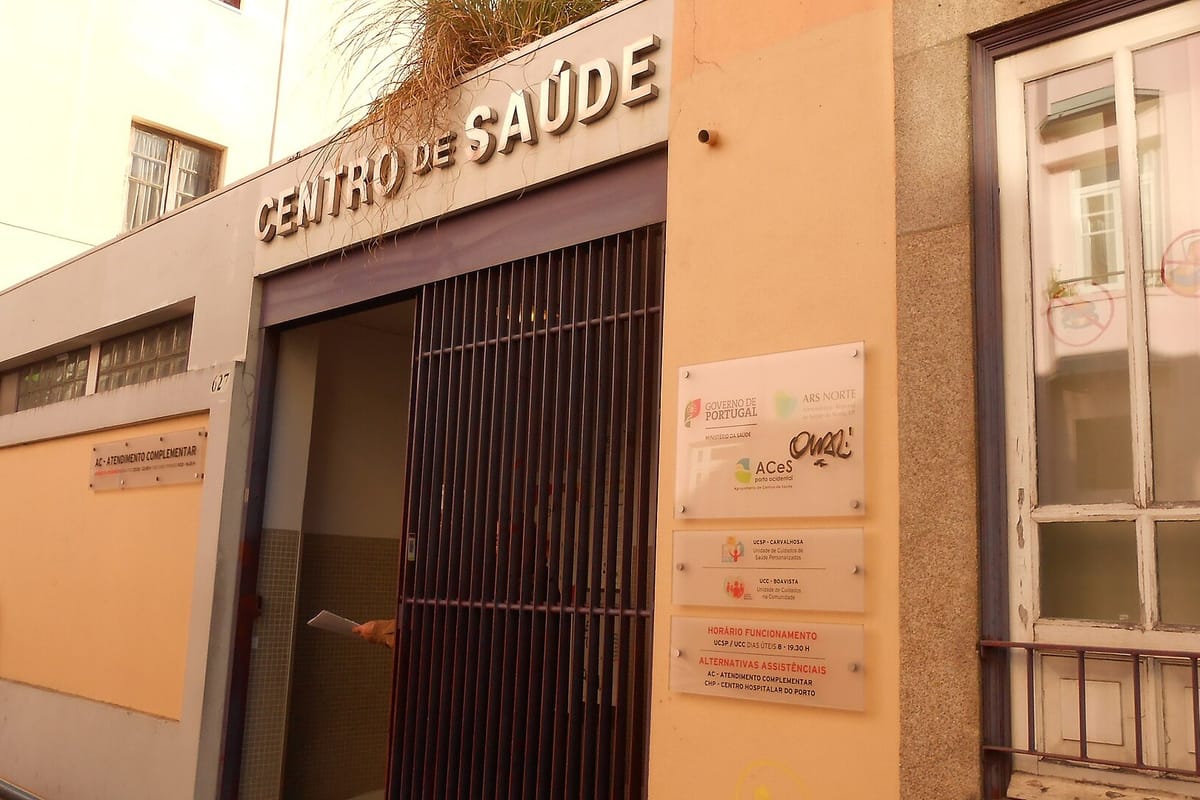
Portugal has already reached 21 of the 37 health targets it set itself for 2030, according to the first interim review of the Plano Nacional de Saúde 2030 (PNS 2030, the National Health Plan) published on Friday by the Direção-Geral da Saúde (DGS, the Directorate-General of Health). Most of the remaining 16 are moving in the right direction. A few are not.
The report covers 2023 to 2025 and uses the latest data available, mostly for 2023 and 2024. The DGS summarised it in a news note.
Where Portugal is ahead
- Premature deaths: deaths before the age of 75 fell again after the pandemic, to 309.8 per 100,000 people in 2023, already below the 2030 target of 315.0. Men still die early at more than twice the rate of women (439.3 against 196.1), but the gap is narrowing.
- Cancer: all six general cancer mortality indicators are below their 2030 targets. In 2023 the cancer death rate was 215.2 per 100,000, against a target of 242.4.
- Heart disease, stroke and diabetes: death rates are falling, and the DGS projects that most of these targets will be met by 2030.
- Births and vaccination: 99.9 percent of births in 2024 were attended by qualified staff, above the 99.5 percent target, and there have been no locally acquired cases of measles, neonatal tetanus or congenital rubella in the last five years.
Where the warning lights are
The report flags a handful of indicators that need closer attention:
- Congenital syphilis is moving away from the goal of elimination: it was under 10 cases a year until 2018 and rose to 14 in 2023. The DGS notes that it can be prevented by screening and treatment during pregnancy, and reads the rise as a sign of gaps in prevention, prenatal care and timely treatment.
- Lung cancer in women: deaths from cancer of the larynx, trachea, bronchi and lung have been rising among women throughout the series, to 16.3 per 100,000 in 2023, though still below the 2030 limit. Among men the rate is 63.9 and falling.
- Tuberculosis: incidence was 13.7 new cases per 100,000 in 2023, above the 2030 target of 12.1. The annual fall has slowed from 3.2 percent over 2015 to 2024 to 0.6 percent over 2020 to 2024, and multidrug-resistant cases have risen every year since 2022. In 2024, 39.1 percent of notified cases were in migrants, whose incidence rate was 2.7 times that of the general population. The DGS recommends keeping care universal and free, and focusing on vulnerable groups, including migrants.
- HIV: 8.2 new diagnoses per 100,000 in 2023, against a 2030 target of 5.7. Some 94.2 percent of people with HIV were diagnosed, close to the UN's 95 percent goal, but late diagnosis remains common among heterosexual men and people aged 50 and over. Our report on this week's HIV figures has the 2025 numbers.
- Child deaths: maternal, neonatal and infant mortality remain above their 2030 targets, although infant mortality is below the EU average. Deaths under the age of five rose slightly between 2020 and 2024, to 3.4 per 1,000 live births.
Sewers, region by region
One target is not about medicine at all. Only 87.0 percent of homes on the mainland were connected to public wastewater drainage in 2022, against a 2030 goal of 98 percent. Greater Lisbon is at 98 percent and the Setúbal Peninsula at 96, but the North is at 83, the Centre at 84, Oeste and Vale do Tejo at 80, the Alentejo at 86 and the Algarve at 87. Madeira is lowest, at 67.9 percent; there are no data for the Azores. The DGS puts the gap down to scattered rural settlements, the cost of extending networks, and isolated homes on septic tanks that resist connecting because of the cost.
A caveat on the numbers
The report warns that INE (Statistics Portugal) changed how it estimates the resident population from 2021, which inflated the mortality rates that the 2030 targets were based on. The DGS says this does not invalidate the trends, but some targets may be revised before the next interim review.
Its recommendations include stronger tax and regulatory policy on tobacco, alcohol and sugary drinks, consolidating the breast, cervical and bowel cancer screening programmes, vaccinating people with chronic respiratory disease against flu, COVID-19, pneumococcus and RSV, and universal prenatal care, including for migrant women and others who are hard to reach.