Portugal Drafts a 10 Million Euro Energy Literacy Plan to Help Households Read Their Bills, and Anyone Can Comment Until 8 January
The Government's first National Energy Literacy Plan sets 33 measures to 2030, from simpler electricity and gas bills to energy advice at parish councils. The draft is open for public comment on ConsultaLEX until 8 January.
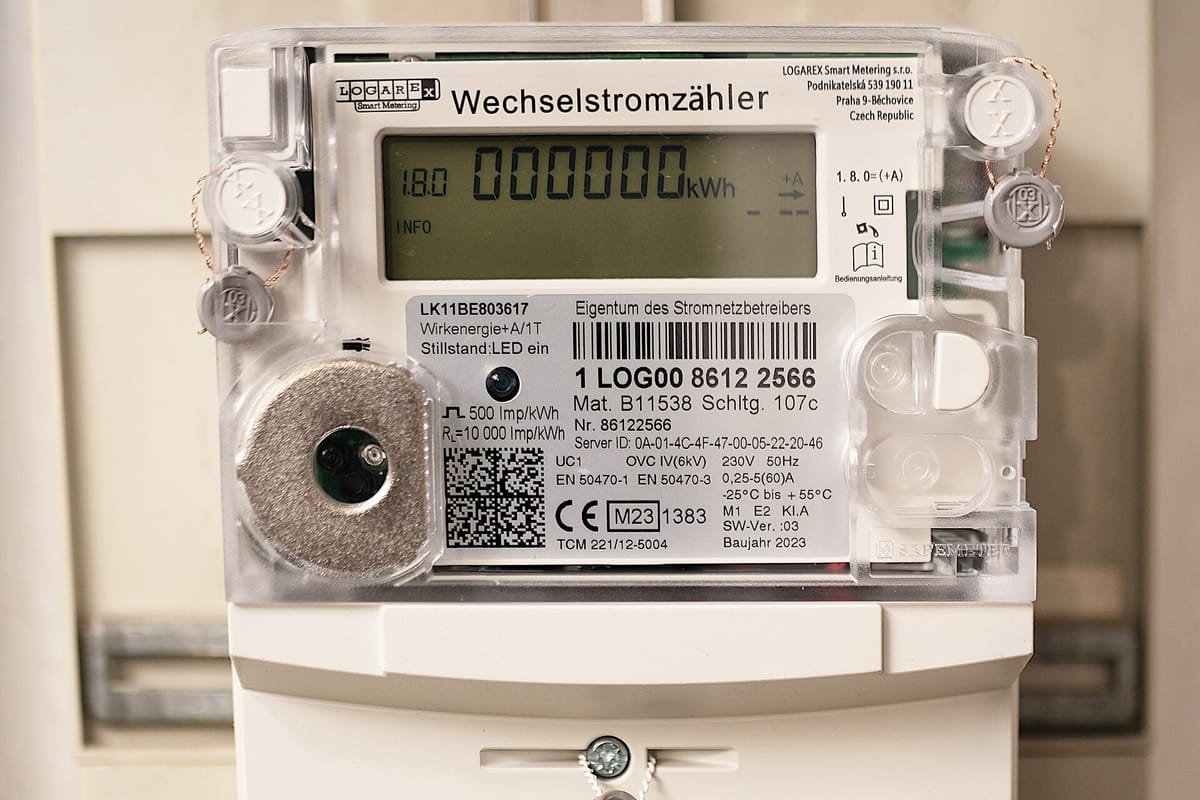
The Government has put Portugal's first National Energy Literacy Plan (Plano Nacional de Literacia Energética, or PNLE) out to public consultation, and anyone living in Portugal can comment on it. The draft, published by the Ministry of Environment and Energy on 25 November, sets out 33 measures and an estimated 10.1 million euros of spending to 2030, with one aim running through it: helping households understand what they pay for energy, compare offers and cut their bills.
"Energy literacy" here means the practical know-how to read an electricity or gas bill, choose a supplier and use energy efficiently. According to the Government's announcement, household consumers in Portugal scored 45.3 out of 100 on the energy regulator ERSE's 2024 energy literacy index.
What the plan proposes
The draft on the ConsultaLEX portal, a 179-page document, sets four targets for 2030: reaching 3.5 million people with information and training, preparing more than 1,370 people to pass that knowledge on, backing 125 projects and producing 12 studies. The plan counts "people reached" as contacts, so the same person may be counted more than once. Measures that touch residents directly include:
- Simpler bills: a study in 2027 on simplifying and standardising electricity and natural gas bills, because the order and presentation of items varies by supplier and makes offers hard to compare.
- Help at the parish council: training for 350 staff at parish councils (juntas de freguesia) by 2030, so the front desk can spot energy poverty, explain bills and available support, and book appointments at the Espaço Energia advice desks. The plan says that network, run by the energy agency ADENE, already has more than 100 desks; low-density areas come first.
- A guide for front-line workers: a practical guide for parish, health, social, police, civil protection and fire brigade staff covering energy and water savings, keeping homes warm, reading bills, the regulated and free markets, and how to switch supplier.
- Online tools: new simulators for home energy efficiency, electric mobility and shared self-consumption (autoconsumo coletivo) projects.
- Campaigns: non-commercial media campaigns from 2027, budgeted at 5 million euros, aimed at reaching 3 million people.
The draft names people in energy poverty, beneficiaries of the social energy tariff (Tarifa Social de Energia), low-income households, older people, single-parent families and migrants among the vulnerable groups it wants to reach. ADENE would coordinate the plan. The draft resolution says the measures go ahead only if the public bodies involved have money available, preferably from EU funds, with no extra money from the Finance Ministry's central reserves.
What it means for you
Nothing changes for your bills yet: this is a draft, and it becomes policy only once the Council of Ministers approves it. The social tariff itself is being changed separately; Parliament has just raised its income ceiling and opened the gas discount to more low earners. With suppliers such as EDP Comercial raising household prices from January, the plan's call for simpler, comparable bills is the part most residents will notice if it is adopted.
How to comment
Comments go through ConsultaLEX, the Government's consultation portal: open the "Plano Nacional de Literacia Energética 2026-2030" entry, download the draft, register and submit your comment. The portal lists the consultation as running from 25 November 2026 to 8 January 2027, while the Government's announcement gives 13 January 2027. To be safe, send your comments by 8 January. The draft is in Portuguese.